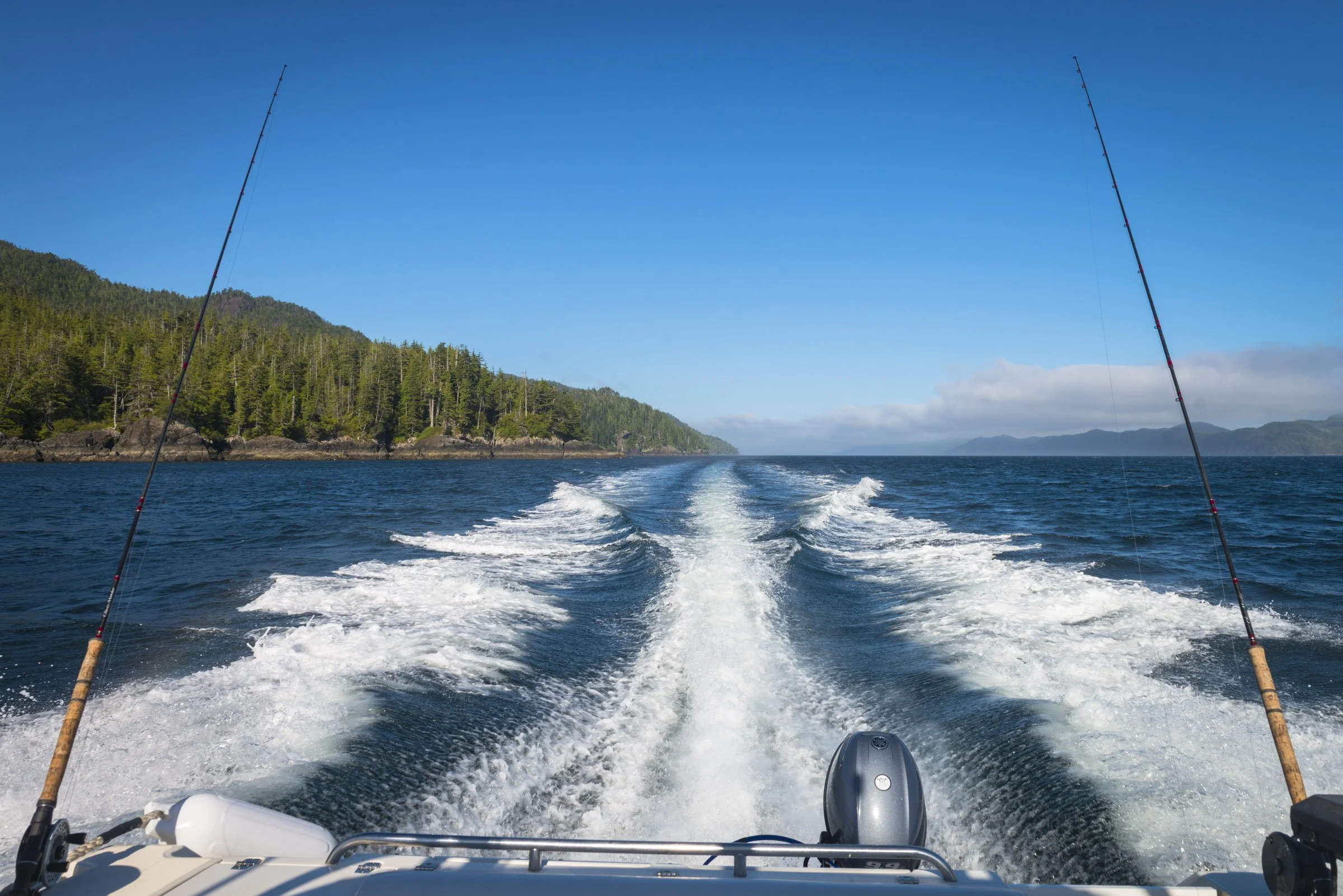
The public fishery IN BC is UNDER THREAT
British Columbia’s Salmon Allocation Policy (SAP) was created in 1999 “to guide the allocation of allowable Pacific salmon catch among First Nations as well as commercial and recreational fisheries.”
But now, Fisheries and Oceans Canada (DFO) is considering extreme policy changes that would REMOVE and restrict your EXISTING OPPORTUNITIES AND access to salmon - a common property resource - threatenING BC’s economy and coastal communities, and reframING conservation and sustainability goals at the expense of all British Columbians.
YOUR rights are threatened by these proposed cHANGES.
The time to speak up is NOW.
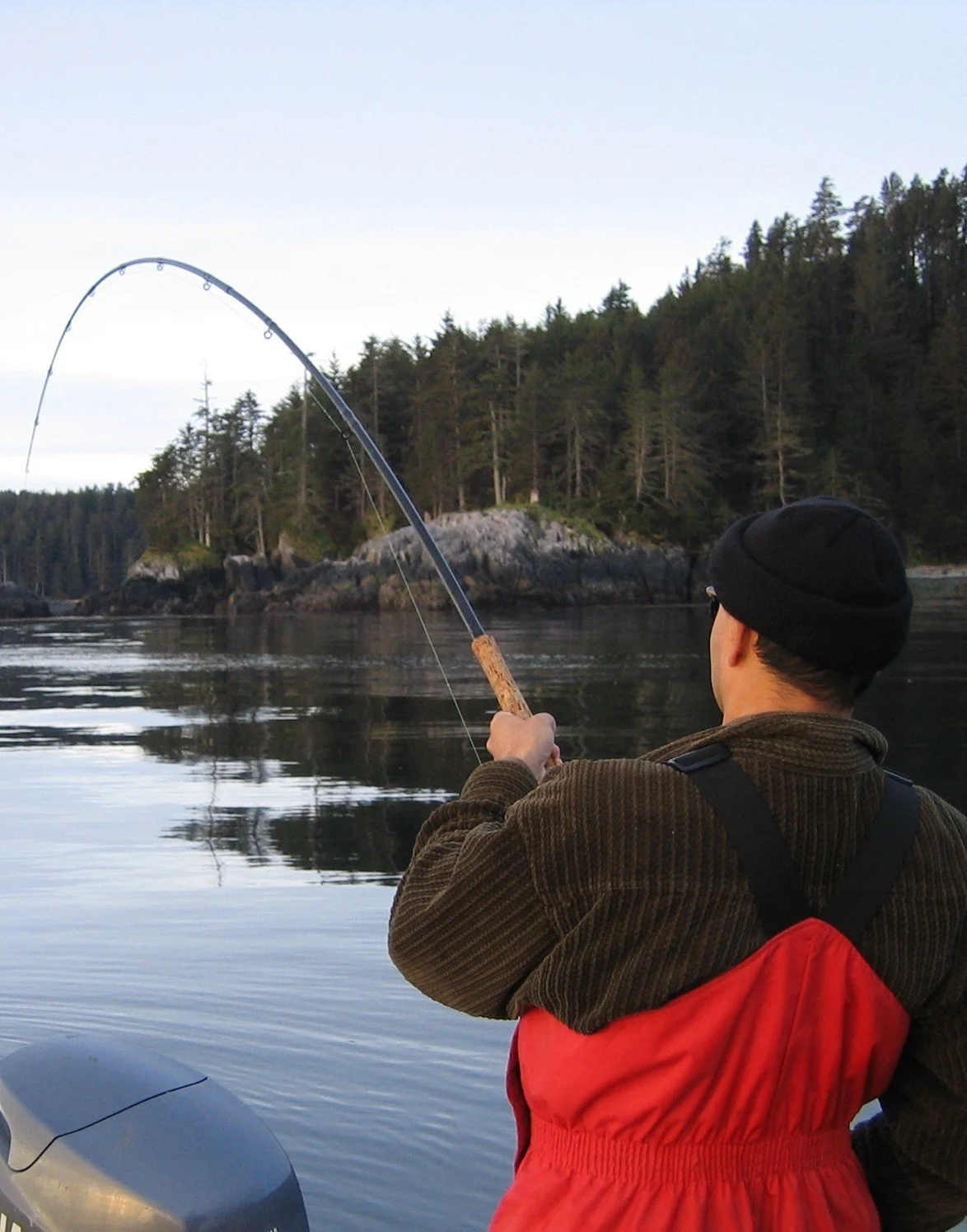
your rights are on the line.
DFO is being pushed to remove the public’s priority access to Chinook and Coho, the most important salmon species for BC’s public fishery.
Under the proposed changes, the public would lose priority not only to recognized First Nations fisheries but also to all commercial fisheries. This change would overturn a policy principle in place since 1999.
This proposal would apply regardless of stock abundance, or the economic benefits generated by the public fishery, and would result in fewer opportunities for BC’s families, tourists, and coastal residents to benefit from essential, reliable access to a common property resource.
Established public rights of access would be dismantled. The public fishery would come last, being reduced to seeking “leftovers,” and YOU would have less predictable opportunities and less time on the water.
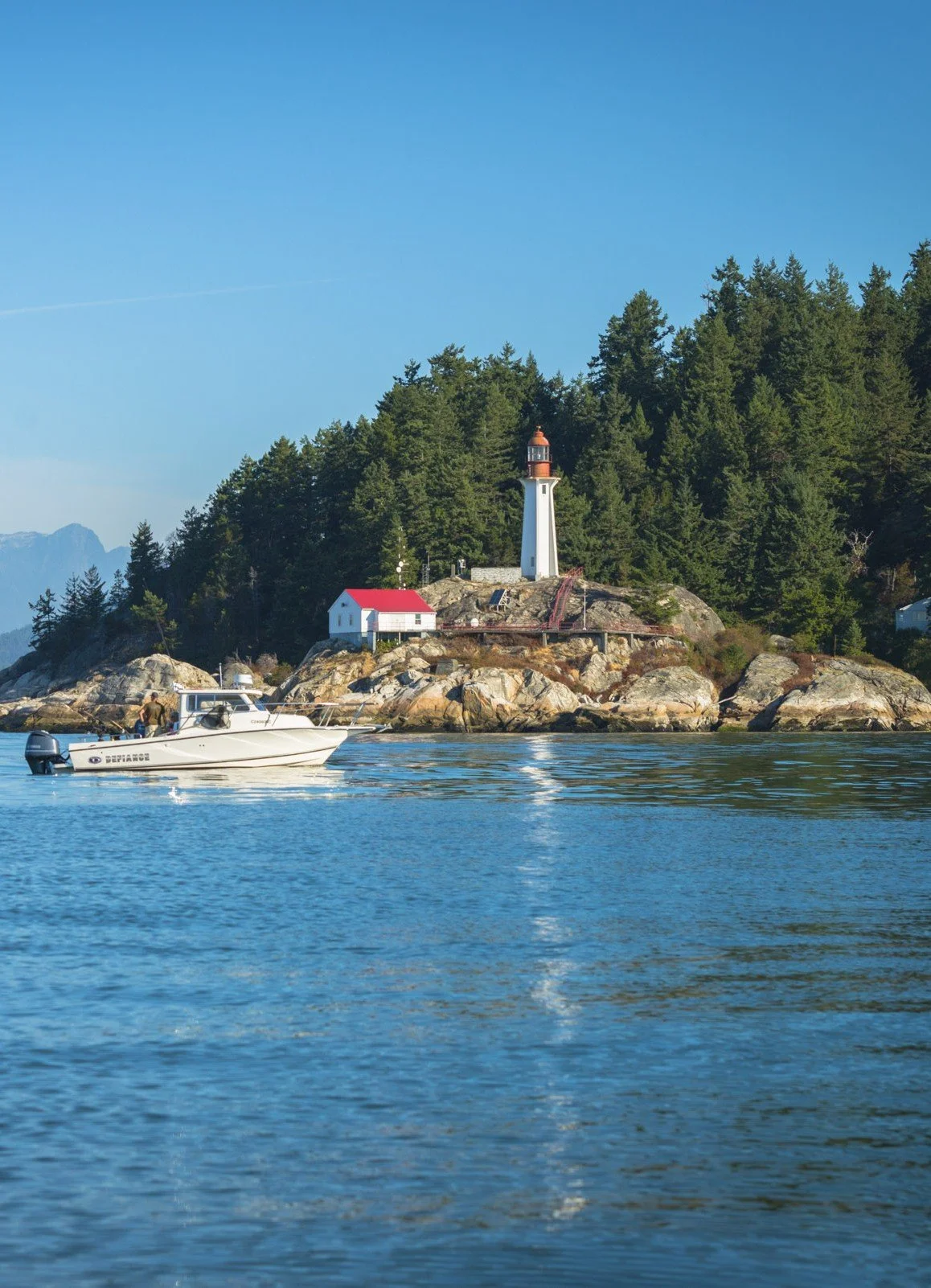
YOUR COMMUNITY IS ON THE LINE
When the public’s right to fish is threatened, so are coastal communities.
The public fishery generates significantly more economic value than the commercial fishery in BC yet could receive less opportunity.
The public fishery in BC generates $1.275 Billion in annual revenues, $643 Million in GDP, and provides 9,100 jobs. This sustains small businesses, coastal communities including First Nations communities, marinas, lodges, guides, other retail and service businesses along the West Coast.
If DFO reallocates access away from the public, coastal towns will lose their economic engine and future opportunities, negatively affecting thousands of British Columbian families.
The public fishery also provides food security options to British Columbians, whereas commercial fisheries export 70% of their catch outside of BC.
This isn’t just about fishing. This is about survival.
clarity and certainty are on the line.
Common Property is the principle that salmon belong to ALL Canadians, and it is the foundation of fishery and resource management.
BC First Nations groups have proposed that this term be dropped from the Salmon Allocation Policy.
Removing the language defining salmon as common property would create uncertainty, plus a lack of clarity and transparency regarding intentions for future ownership, management, and public access to salmon. Salmon fishing must remain an assured common law right, not a “privilege” to be granted or denied.
To protect your rights and opportunities, insist that salmon continue to be defined as common property belonging to all Canadians, and that this language be included in the revised SAP. This language, and the policy that currently includes it, has been in place and successful for the past 25 years, and it is critical that it remain unchanged..

THE FUTURE OF RECREATIONAL FISHING IN BC IS on the line.
The time to speak up is NOW.
British Columbians deserve a fair and balanced outcome for common property resources, their management, and sustainable fishing opportunities.
If the proposed policy changes are accepted they will be almost impossible to reverse.
Contact the Government of Canada and make your voice heard.
Spread the message online, and in your community.
Tell the government of canada to:
manage common property resources for all canadians.
protect existing priority access and opportunities for bc’s public fishery.
ensure any new policy protects public rights.
organizations SUPPORTING THE PUBLIC FISHERY

The Sport Fishing Institute of BC
Since 1980 the Sport Fishing Institute of BC (SFI) has represented the interests of over 350,000 tidal water recreational anglers and related businesses to elected officials, management agency staff, other fishery sectors, and the non-angling pubic. We work to raise issues of critical importance to BC’s sport fishing industry with decision makers in Municipal, Provincial, Federal, and First Nations governments in Canada.
BC Wildlife Federation
At the B.C. Wildlife Federation (BCWF), we are passionate about preserving and enhancing the natural beauty and biodiversity of British Columbia’s wildlife and habitat. As a non-profit organization founded in 1951, we remain at the forefront of advocacy for the conservation and responsible use of our province’s precious natural resources.